The vibrant land connecting North and South America
Reading
- Hell’s Gorge by Matthew Parker
The path to Panama was a bumpy one. We had originally planned to travel there in March 2020, but the Covid pandemic put that plan to rest quickly. Then again in 2021 but once again Covid was still an issue. In 2022, work commitments meant that it wasn’t possible to travel and then finally in 2023, this much anticipated adventure happened.
It was a simple plan, two days of back-to-back running/trekking covering 42km per day, five days hiking through the jungle carrying a 20kg backpack with food, water, sleeping and cooking equipment and then one and half day’s pack rafting to the Caribbean coast. A nice and relaxing trip!
Reflecting on the preparations now, I still can’t believe that I managed to fit in training for this with a full-time job but somehow, I did. Lots of early (5am) runs, more weekends than I care to remember spent hiking in the cold with a heavy backpack and countless times trying to put up a hammock.
It had been said that nothing can really prepare you for going into the jungle, that feeling of being surrounded by trees, vines and vegetation that simply goes on forever and in many respects that is true. My original concern had been the two days of marathon distance run/treks but in the end, that was relatively easy. Walking through the jungle is hard work, both physically and mentally. The pace is slow, its humid and very muddy. Combine that with heat and a heavy backpack, and it’s an interesting challenge to keep yourself going.
The hazards aren’t necessarily the obvious ones of animals, it’s the steep climbing up hills, it’s the tree roots and vines trying to catch your feet, it’s small insects and mosquitoes biting you.
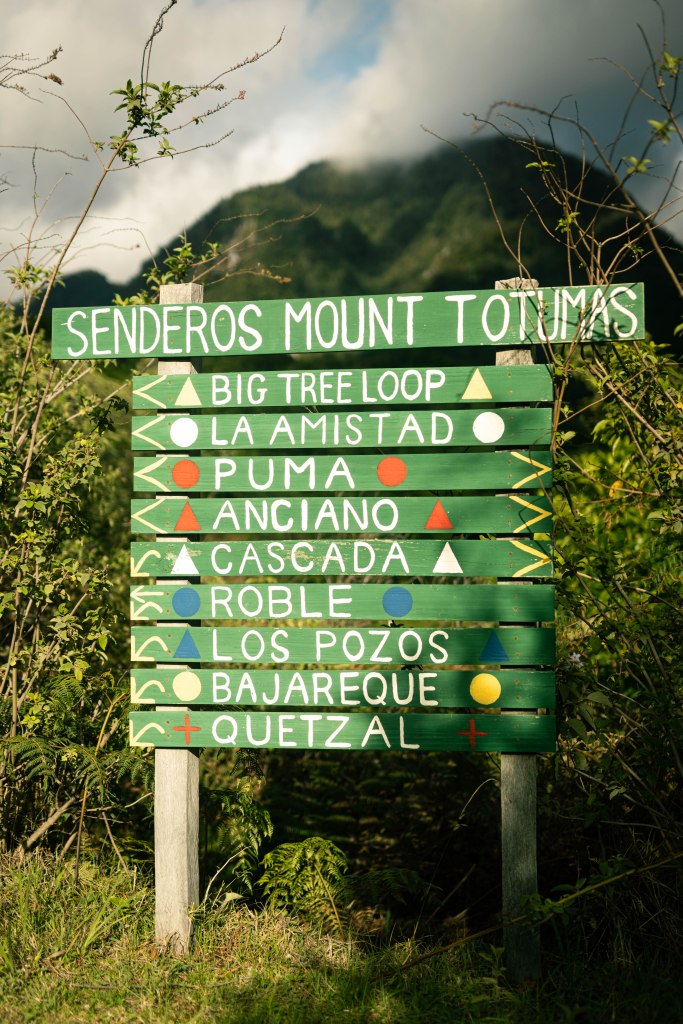
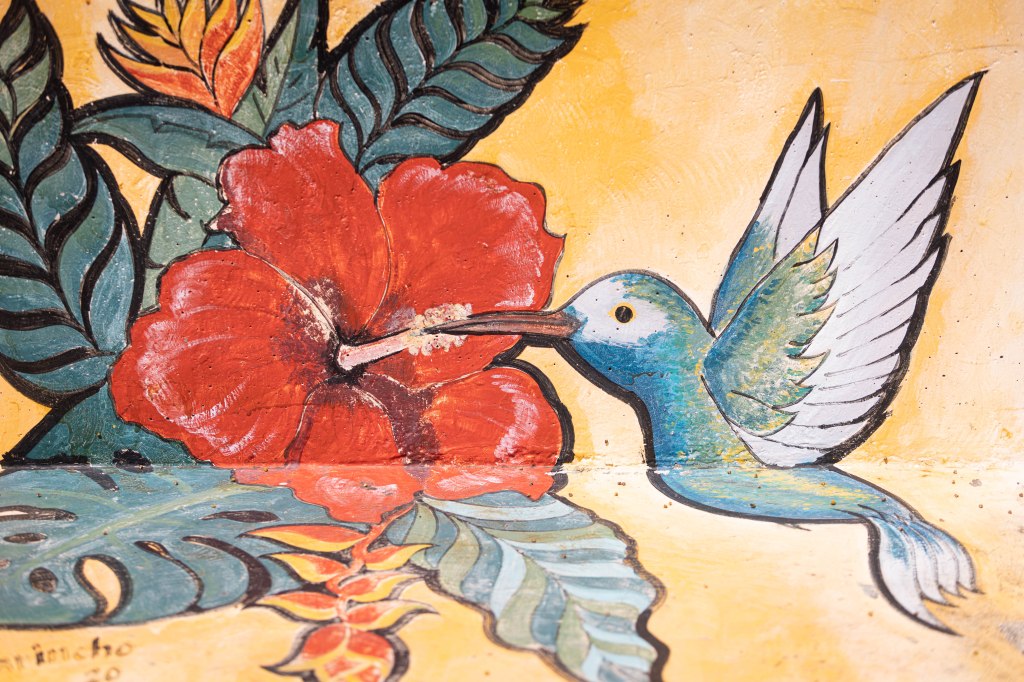
The days before entering the jungle we had stayed at a hotel called Mount Totumas, an eco-lodge located on a 400-acre reserve with amazing views of a surrounding cloud forest. It’s a truly wonderful place to spend time, and a bit of comfort ahead of sleeping in a hammock. Watching hummingbirds flying between flowers and the sunset in the evening disappearing behind the trees, will stay in my memory for long time. It’s a magical place to relax.
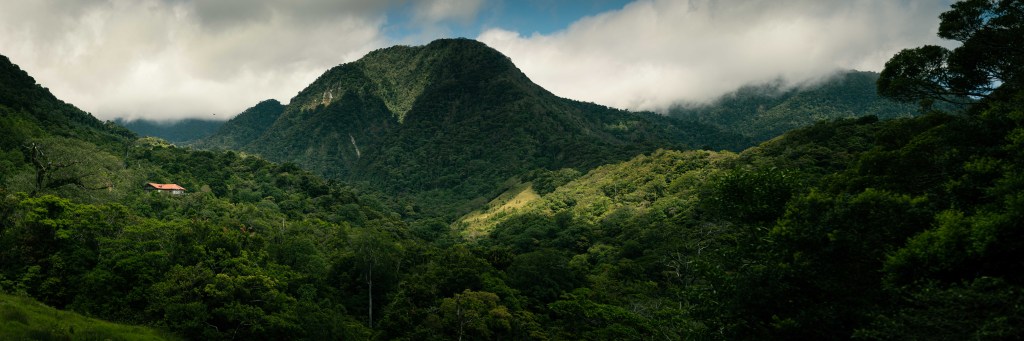
Before heading into the jungle for the next five days things were a little bit tense. We had been warned beforehand that if you didn’t take good care of yourself in the days working up to the jungle entrance, you might not be able to go in. Blisters were the big concern because the jungle environment would be damp and the only time your feet might get dry is overnight. We were equipped with jungle boots; these allow water to drain out and help to prevent “trench foot”. Not only that, but if the support team didn’t think you had the physical fitness to complete the trek, it would be a no go. This was fair enough, once you’re in, the only way out is either helicopter rescue or your own two feet.
The days in the jungle were both enchanting and plain hard work. Getting up at 3am, 4am or 5am to get started, take down your tarp and hammock, then eat breakfast and pack to leave was sometimes difficult. Especially if you’re still tired from the day before. Following a routine helps to guide you as decision making was sometimes difficult. Hiking until reaching a suitable location in the afternoon, setting up camp, cooking and eating dehydrated food, then getting ready to sleep became the daily ritual.
The evening routine of cleaning and drying feet because your boots are wet from walking through rivers all day, became essential to avoid foot rot and blisters.
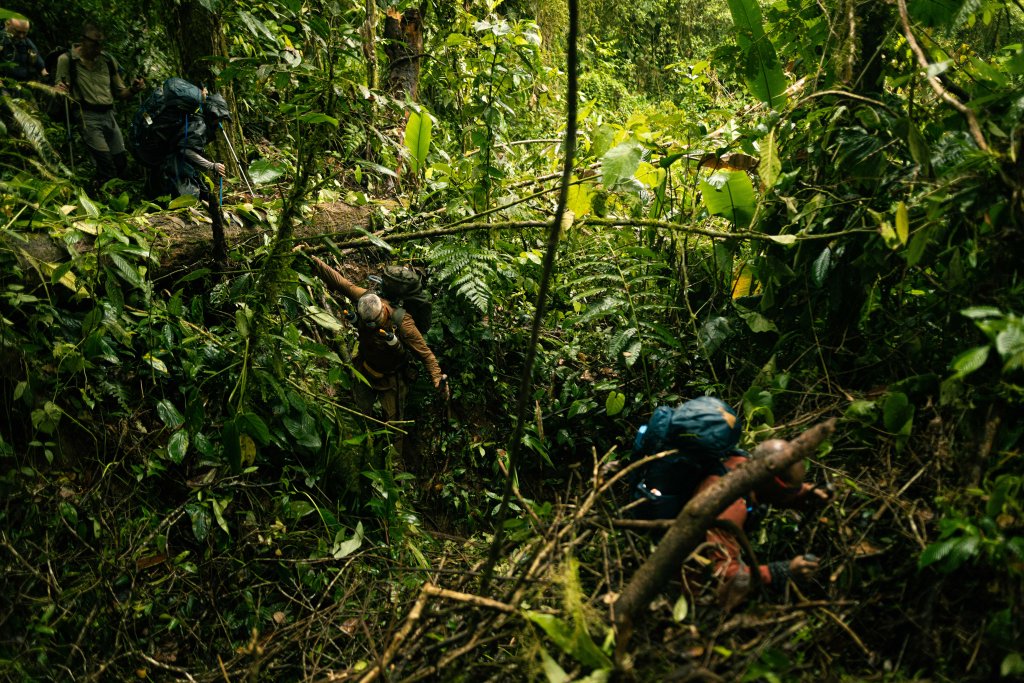
It wasn’t all grind; on the occasions when you came out above the green jungle canopy, the views of the surrounding landscape were truly spectacular and well worth the effort. Sleeping in a hammock between trees can also be quite comfortable, although my machete skills to first prepare the surroundings required some practice.
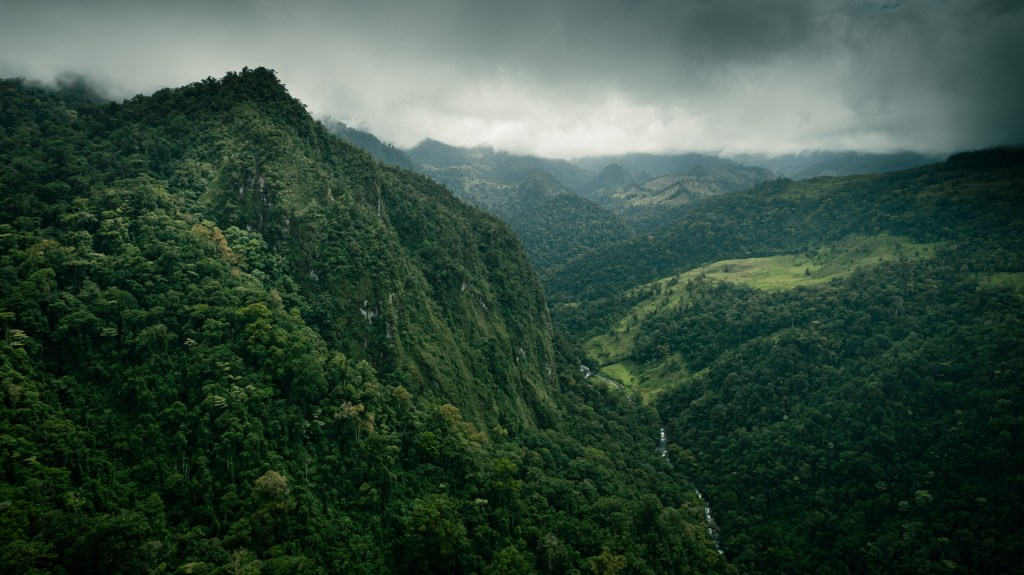
You adapt quickly to carrying a heavy backpack with all your equipment including water. The rhythm and the ritual of each day added to the charm of the jungle environment, washing in streams, the camaraderie of the people I was travelling with, all going through the same experience and the feeling of being encapsulated in a green living cocoon will probably stay with me forever.
On finally emerging from the jungle, it was an emotional experience. It may have only been five days, but it was one of the most intense times both mentally and physically I’ve ever experienced. Coming out seemed a bit like a dream. As we were walking out and crossing a bridge towards civilization, the support team were on the other side cheering us on, clapping and ready with drinks and snacks. There was a lot of hugging, and more than a few tears shed that afternoon.
That night was spent in the hammock on the banks of Rio Changuinola and early the following day we set off on rafts down river, hammocking in the evening at a cacao farm close to Changuinola town.
One final push to the finish had us rafting to the Caribbean coast, celebrating our achievement and of course collecting a medal before picking up boats to Isla Colon, one of the Bocas del Toro islands.
After so many nights sleeping in a hammock and eating food from a bag, our stay in Bocas del Toro felt like the kind of luxury you can only dream about. The room at the Tropical Suites overlooked the harbour and had an area in the floor made of glass, so you watch the fish swimming below you. Eating real food again felt amazing and although Bocas itself is a relatively small place, I hadn’t thought until then about how strange it felt to be back in a town with people, restaurants, bars and shops.
After a night out in Bocas, we flew back to Panama City for a couple of days of exploration and rest before the journey to London. Panama adventure over but an incredible experience and amazing memories to treasure for a lifetime.
Highlights and Learnings
- The things that you think are going to be difficult and toughest might not be. I expected the two back-to-back marathon days to be brutal, they weren’t. But I’m sure that the early morning training at home went a long way to preparing my body for that.
- Mud, mud, glorious mud. The Jungle is really and I mean really, muddy
- Having a plan or a routine is key. We were guided through the jungle and took breaks at set intervals. That, along with the evening routine of setting up camp and basic hygiene (foot care etc.) made a massive difference to the “enjoyment” of the Jungle experience
Trip details
Rat Race Panama Coast to Coast: https://www.ratrace.com/
Distance: 100 miles (160 km) on foot + 25 miles (40 km) on Pack raft
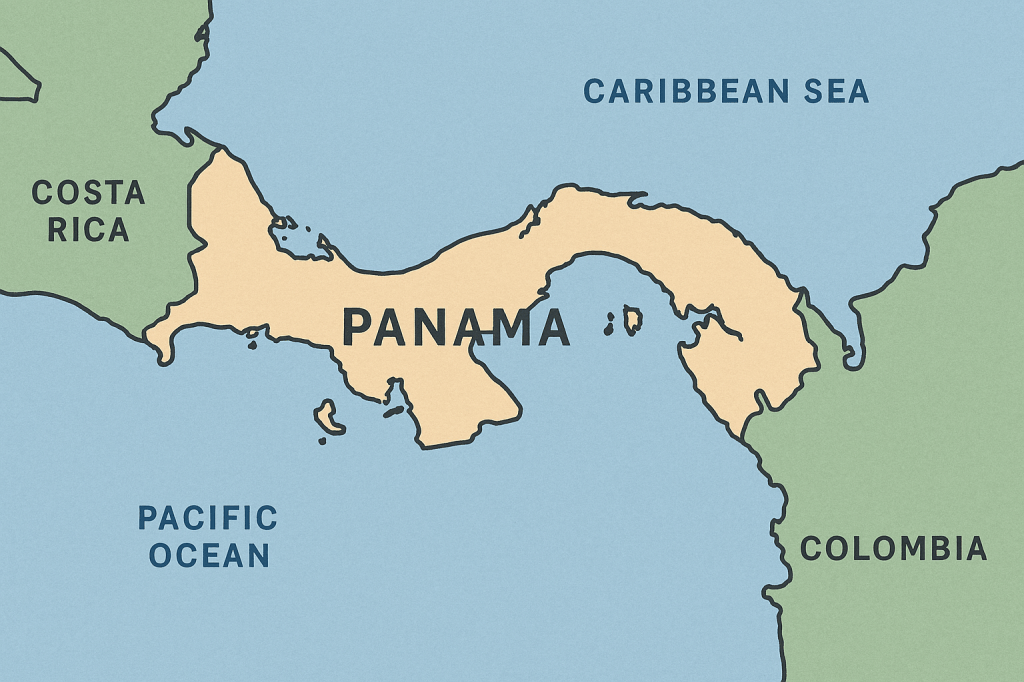
Duration: 11 days (10 nights); starting on the Pacific coast, crossing the continental divide of the Americas and finishing on the island of Bocas Del Toro.
Photos from James Appleton: https://www.jamesappleton.co.uk
 BOHOMAROON