Where the Caucasus mountains meet history
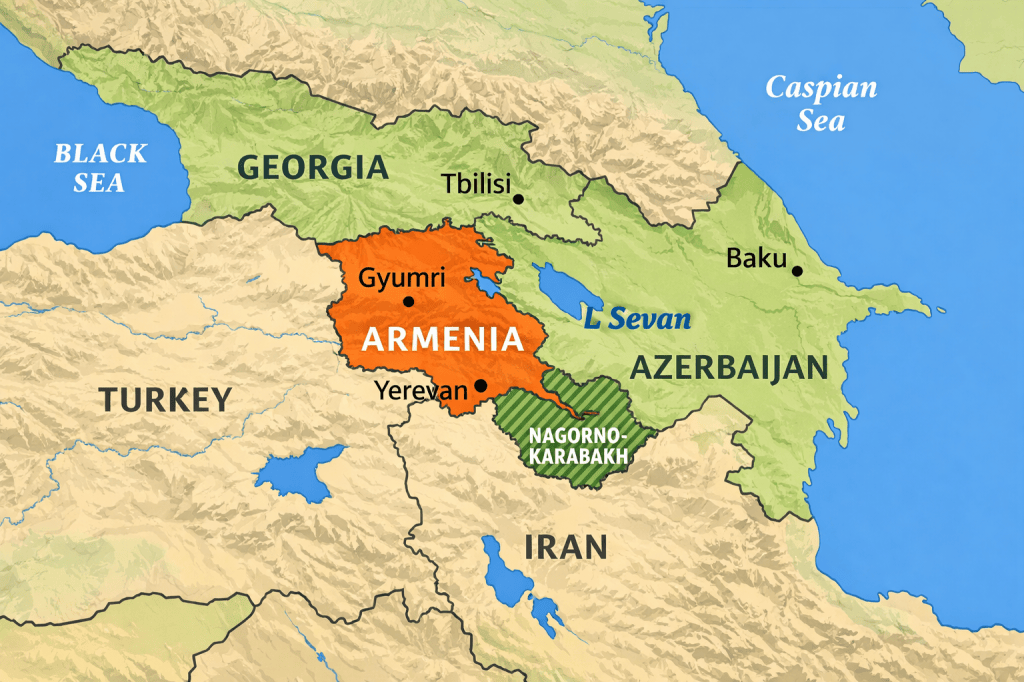
Formally part of the Soviet Union, Armenia is sandwiched between Turkey, Georgia and Iran. Part of Azerbaijan is on the southwestern border of the country and with a population of around 3 million people, it is one of the world’s oldest centres of civilisation.
One of the motivations for heading to this part of the world was having spent time in Turkey and Georgia and loving those places. A friend had lived and worked in Azerbaijan, so why not visit Armenia. It proved to be thoroughly worthwhile, it’s not a big country but its history, culture and scenery make it a great place to spend some time and learn a little about the region.
Yerevan
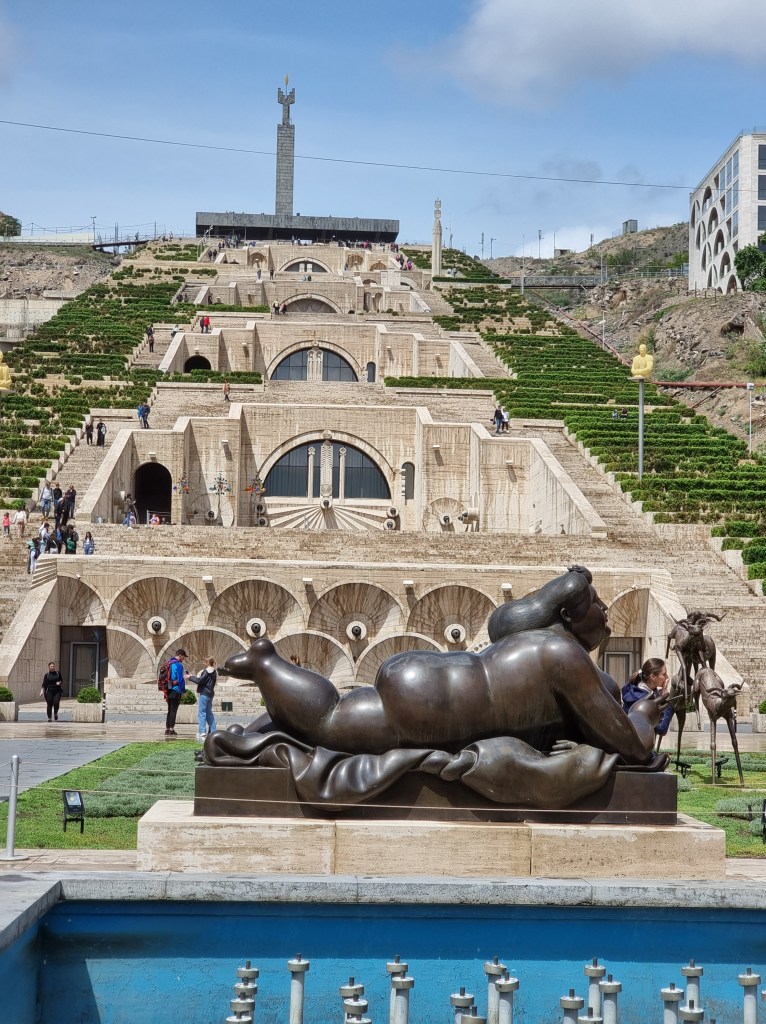
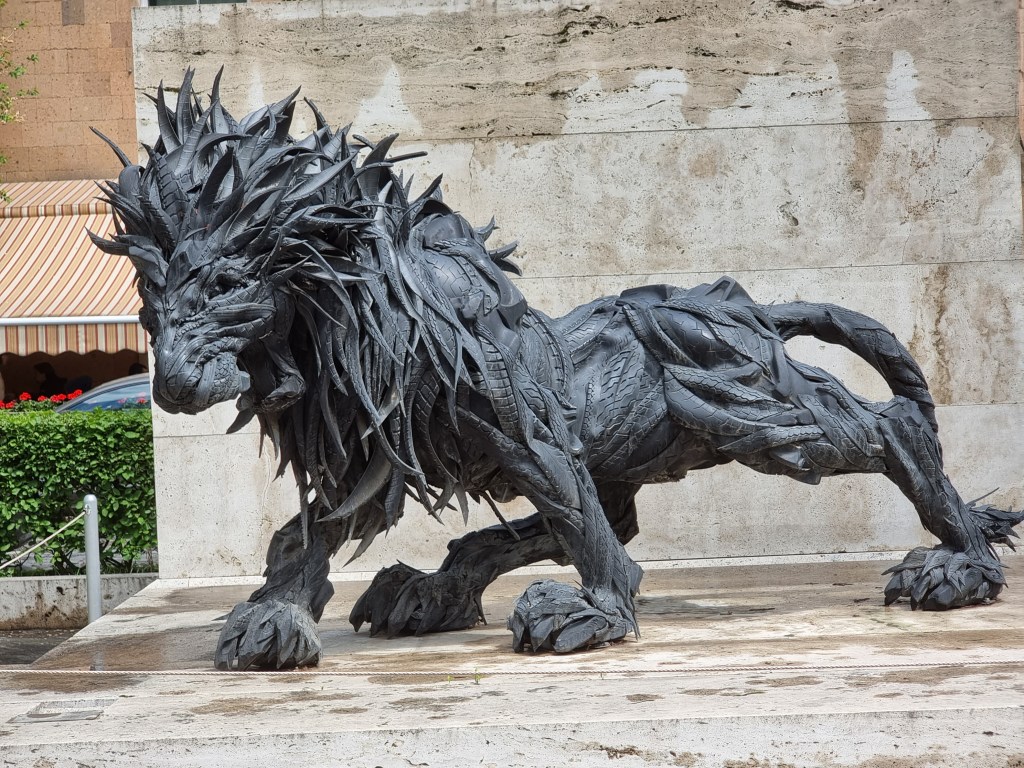
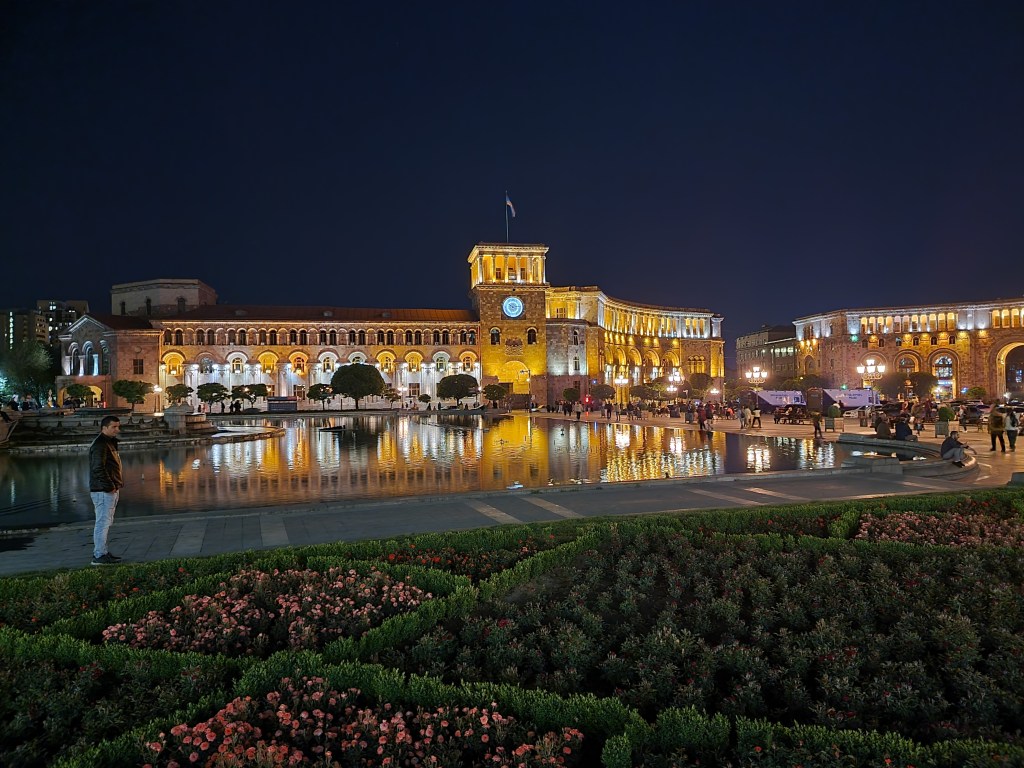
The capital of Armenia was not at all what I had anticipated. Perhaps I had in my mind’s eye something a little more rustic and developing but what I found was an emerging and very cool town with fountains, food places and green spaces with sculptures which really gave it a dynamic feel. Many guidebooks say that Yerevan is one of the oldest continually inhabited cities in the world.
Good weather afforded us the privilege of panoramic views from the top of the Cascade walkway and sights of Mount Ararat, before walking past the many statues and into Republic Square to soak up the atmosphere around the central area of the city. It was relaxing walking around without the big city busyness of many places, the centre has a mixture of government buildings, parks and fountains. It’s fair to say that the soviet influence is clear and most impressive in the stature of the buildings, especially when lit up at night. And then of course we have the food, which was a joy and for the most part impressively healthy; flat breads, all types of meat and plentiful amounts of vegetables were available for most meals.
Gyumri
We had rented a car for the duration of the trip and so after those first few days exploring Yerevan, the next stop was Gyumri. Warnings had been noted that the road surfaces in some places were “interesting”, in the sense that their could at times be potholes so large that if you didn’t take action to drive around them it would have damaged the car.
The second largest city in Armenia and a cultural centre, the drive to Gyumri attracted some attention from the local police. At one point during the journey, we were followed and then pulled over and questioned by some youthful officers who were simply interested to know who we were and what we were doing. They wished us well and let us carry on with the drive, it dawned on me that it was probably quite rare (especially given how empty the roads were) to have tourists along this route.
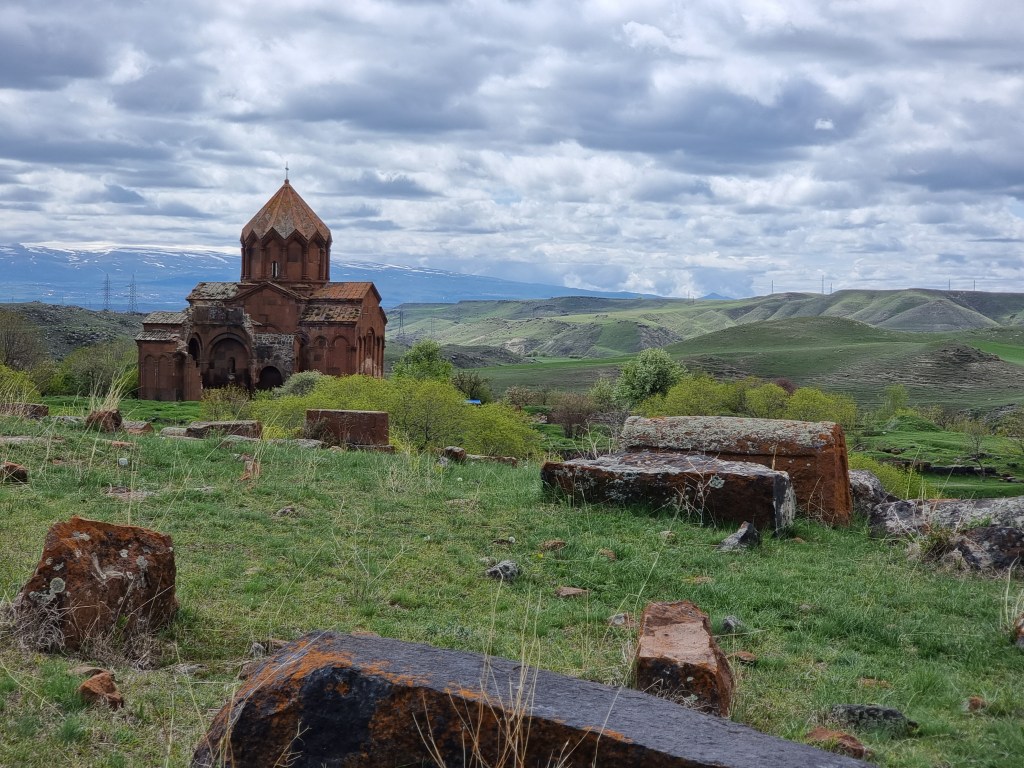
Marmashen monastery, 6km northwest of Gyumri provided a chance to explore a bit of the countryside. The surrounding hills are a wonderful backdrop and its very peaceful. The monastery was built in the 10th century and is part of a complex containing five churches.
Dilijan
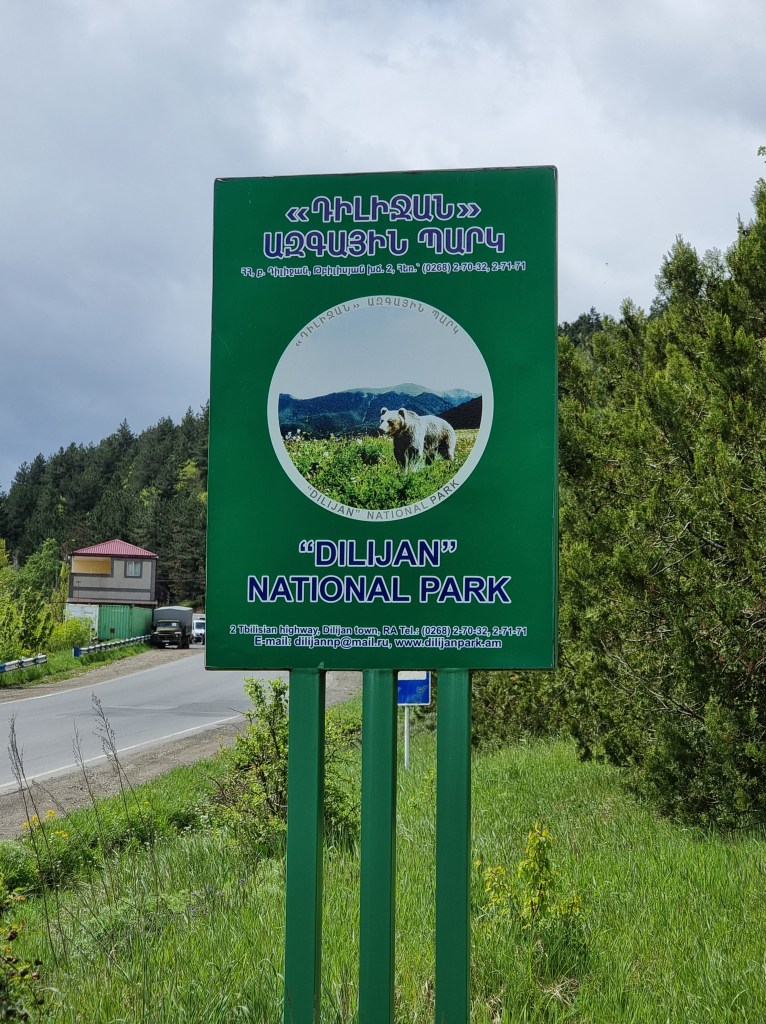
Sometimes called “little Switzerland” it has national parks, mountain ranges and a lake. For the brief period that I was there great walking/hiking trails and warm, welcoming cafes.
Our accommodation was at the top of a hill that provided some welcome extra exercise and a bit of entertainment. This road had very friendly dogs that would temporarily adopt walkers, following them up or down the hill, sometimes in front often behind, I guess it was their domain to patrol.
Dilijan was a great ending to the short visit to Armenia. Along the way we visited memorials that recognised some of the very painful atrocities that had happened over the years, churches and villages with wonderful scenic backdrops, plus sampled amazing food.
Highlights and Learnings
- The centre of Yerevan and sights of Mount Ararat
- Tsitsernakaberd Memorial Complex in Yerevan which honours the victims of the Armenian Genocide
- Climbing the steps up to Mother Armenia, a statue on a high hill in Victory Park, Yerevan, symbolizing peace through strength
 BOHOMAROON