
Where land, sea, and Gaelic soul meet the edge of the Atlantic
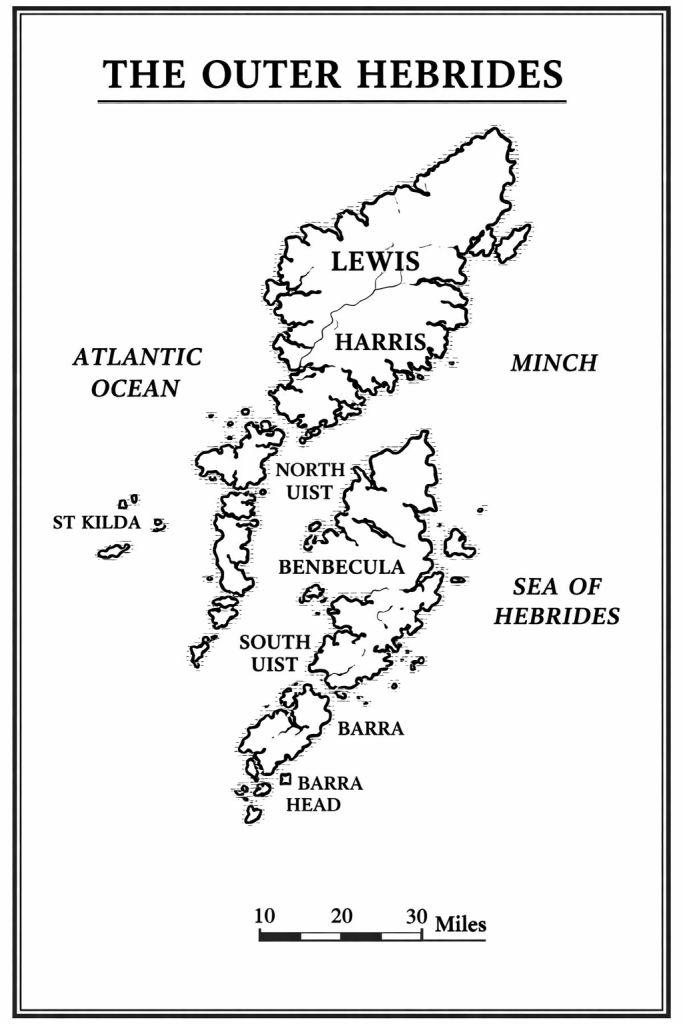
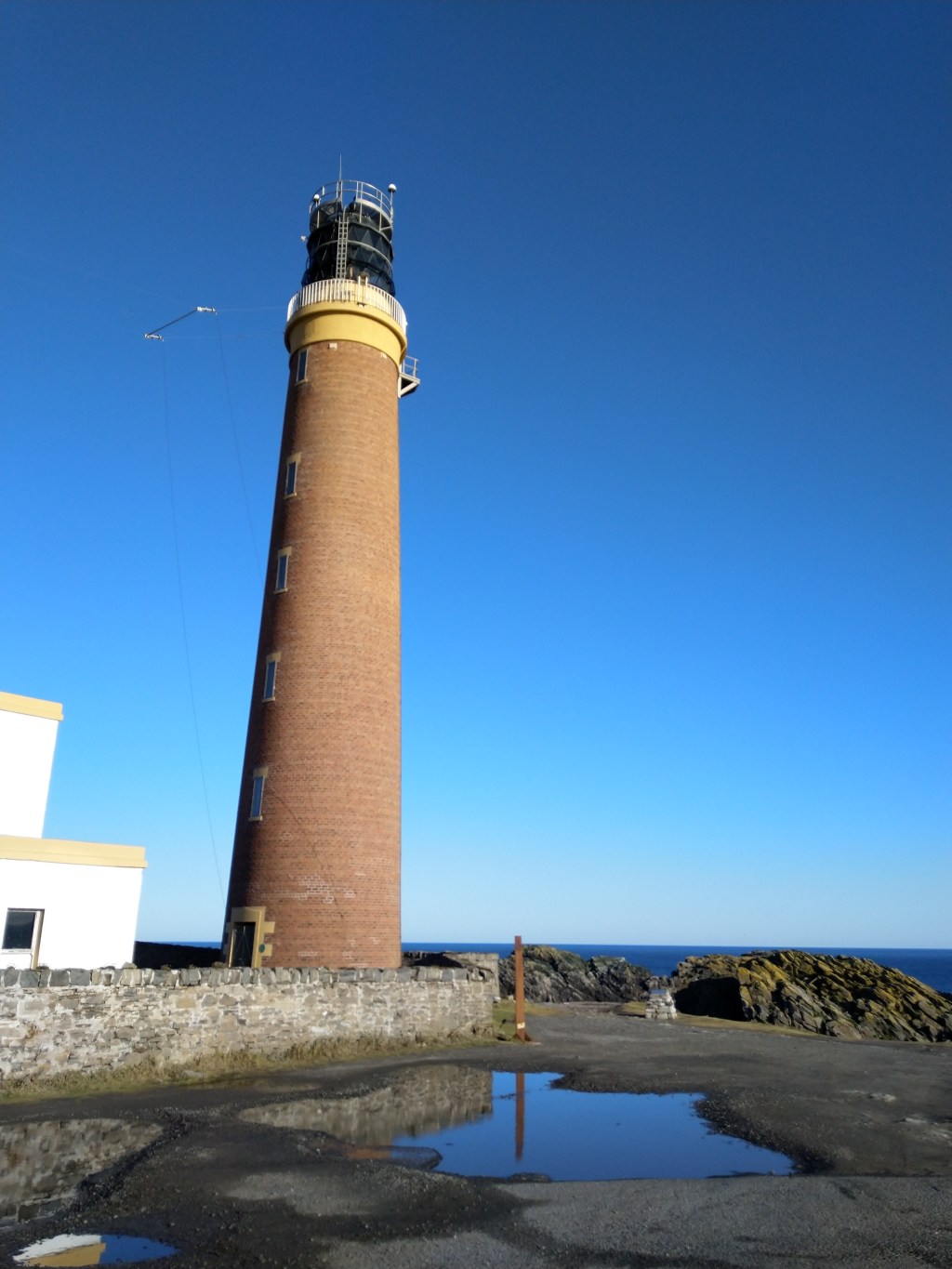
Well, I grew up listening to the shipping forecast and wondering where on earth some of these Islands were. Many years later, I had the chance to see for myself where the lighthouse was. The Butt of Lewis…
This was a Ratrace test pilot event, the idea being to travel by bike, on foot and in Kayaks, for a tip to toe journey the length of the Hebrides.
The journey started in Ullapool, a Scottish fishing village approximately 70km to the northwest of Inverness. After a comfortable overnight stop, we took a late afternoon ferry to Stornoway on the Isle of Lewis, a journey that took a little under three hours. I had a feeling it was going to be a magical trip when at one point during the ferry ride, dolphins appeared and swam alongside the boat.
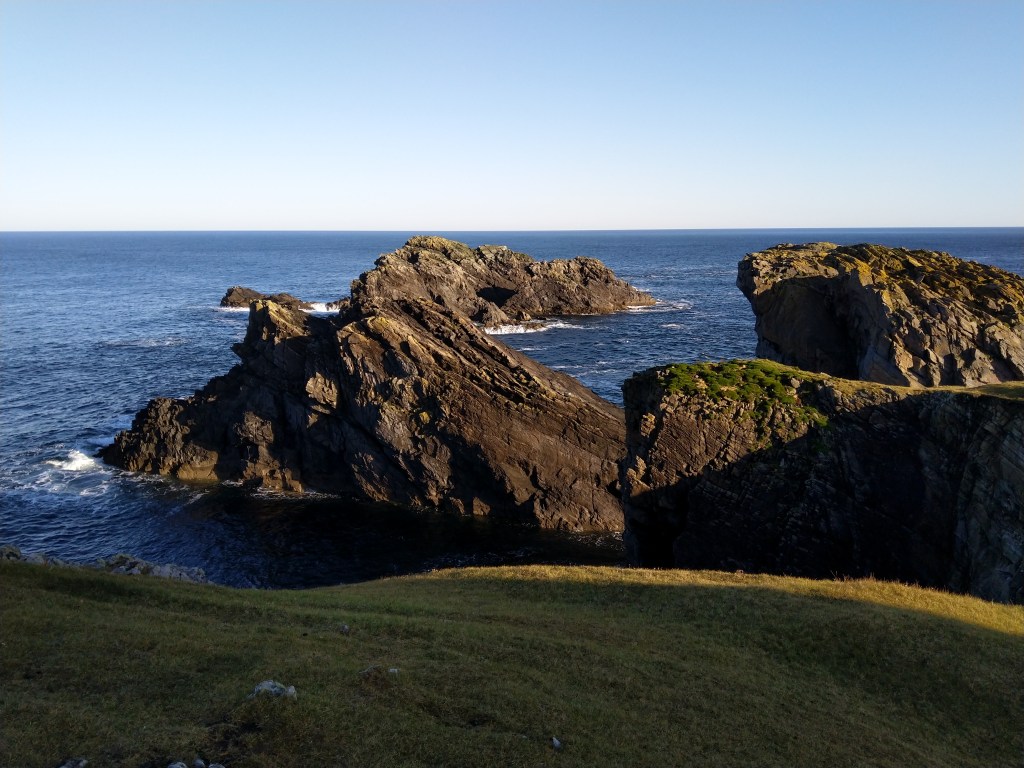
The Butt of Lewis
This was our starting point and is the most northerly point in the Hebrides. It also happens to be where the iconic lighthouse is that dates back to 1862. We arrived there on a beautiful sunny morning and spent a little time wandering around the exterior grounds, before setting up our gravel bikes for the ride ahead. The views over the cliff edges and out to the ocean are stunning. Setting out on the bikes, the roads were amazingly peaceful which made the time cycling the 56km to Callanish standing stones go very quickly.
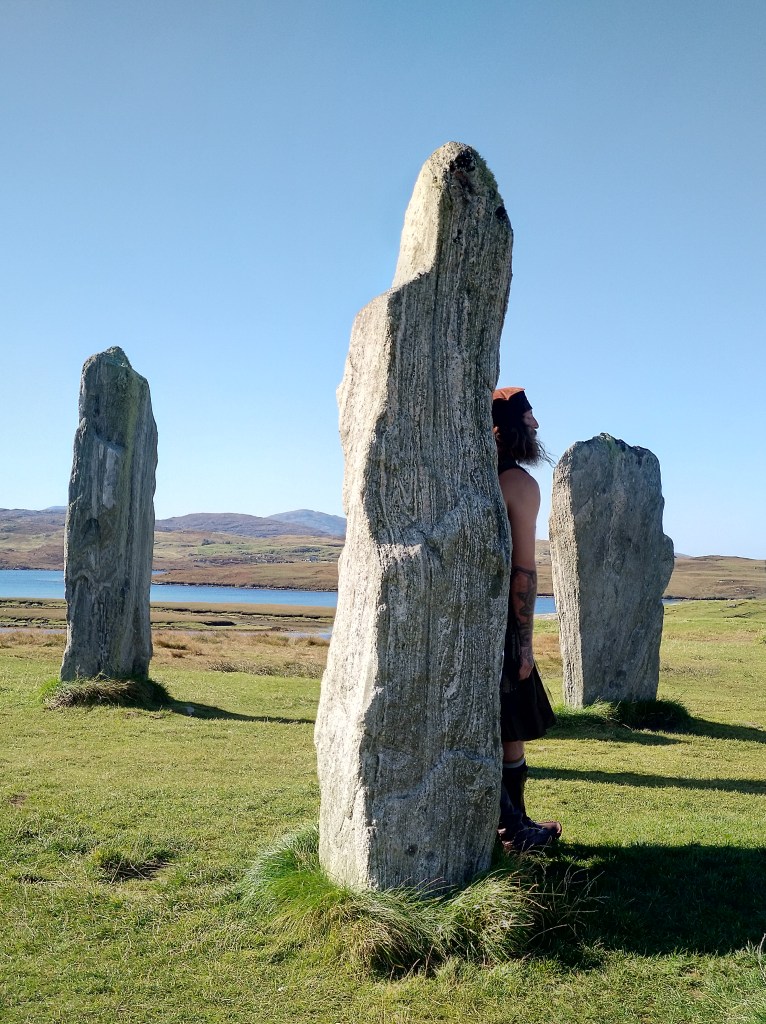
The Callanish standing stones are older than those at Stonehenge and have been there for 5000 years. It’s not clear why they were erected, but it might have been a way of observing the skies. By the time we had arrived, there were already quite a few people at the site, some of whom appeared to be “meditating”. We probably looked quite odd ourselves wandering around in cycling gear and helmets, but it was definitely a worthwhile stop.
From Lewis to Harris
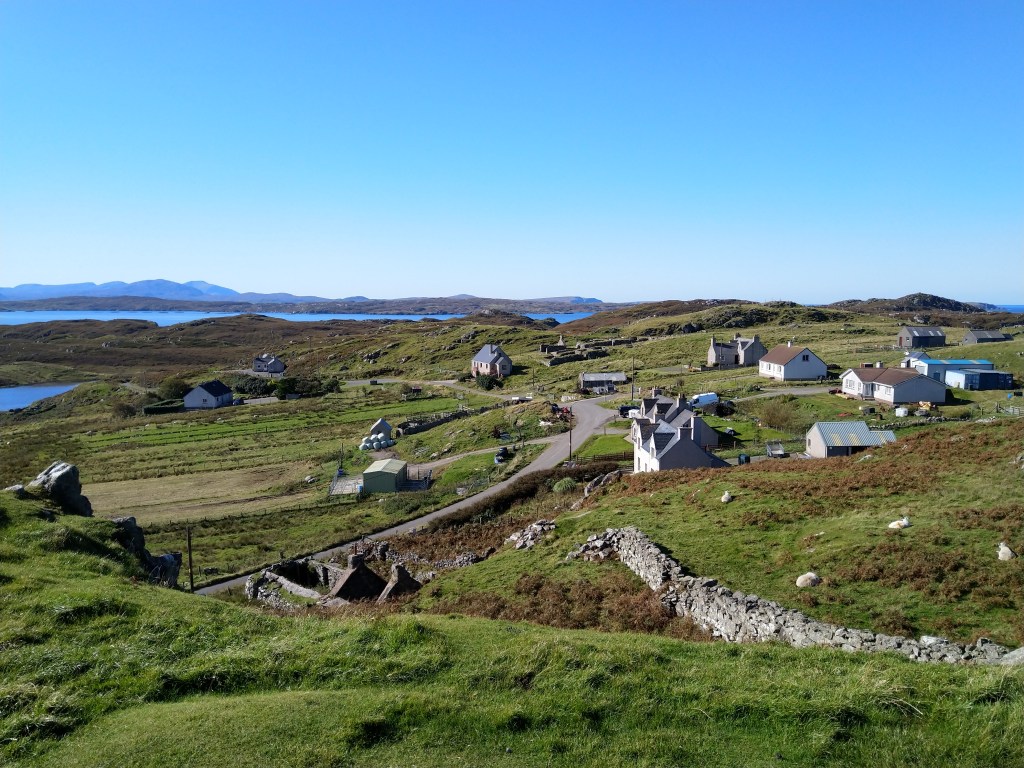
Over the next couple of days, we cycled along the quiet roads of the Hebrides, taking in the landscape and peaceful surroundings.
We stopped off to look at an old RAF Catalina Flying Boat (Airplane) on the Isle of Vatersay in the Outer Hebrides. It crashed into the hill of Heishaval Beag during a nighttime training exercise on May 12, 1944. The remains of this aircraft can still be observed today. The engines, weapons, and radar were removed, and what was left of the hull and wings were cut up and moved to their current resting place. Today, the rusting remains serves as a reminder of those times, a war grave and memorial.
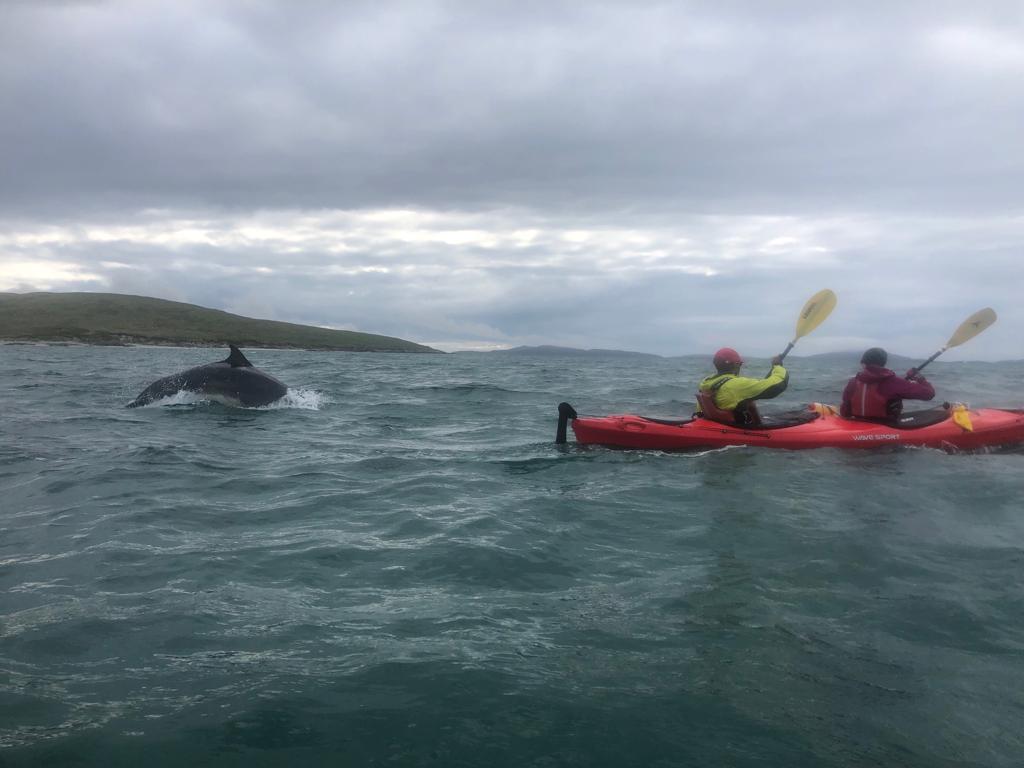
Kayaking with Dolphins
There were multiple memorable moments during the trip; gravel biking across an empty beach. Cycling in the dark towards our accommodation for the night, trying not to get knocked off the bike by sheep that were crossing the road. Possibly my favourite moment, was kayaking and being accompanied by a pod of dolphins that swam around and between us; for me this was truly magical.
Highlights and Learnings
- Road signs that told you the direction to travel but gave no indication of how far to go
- Nothing much opens on a Sunday, that is probably a good thing!
- Kayaking surrounded by Dolphins
- Looking up at the lighthouse in the Butt of Lewis on a wonderfully sunny blue-sky day
 BOHOMAROON